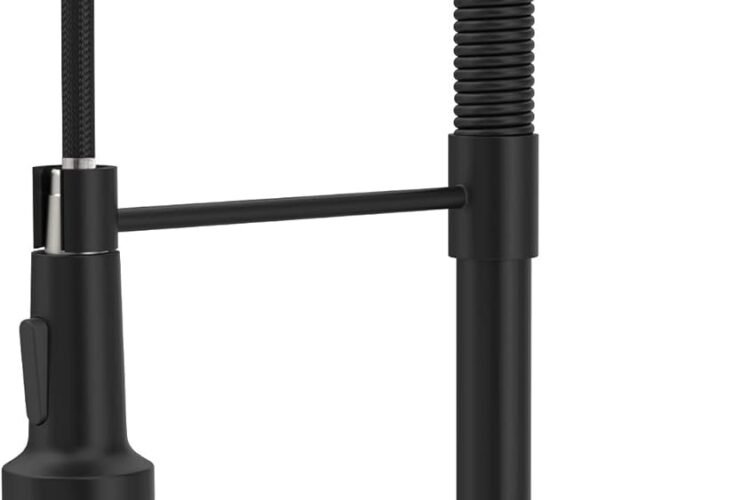
Modern kitchens are evolving rapidly, integrating smart technologies that improve convenience, hygiene, and efficiency. One of the most noticeable upgrades in many contemporary homes is the touchless kitchen faucet. Designed to simplify everyday kitchen tasks, motion-activated faucets allow water flow to be controlled without direct contact.
The GIMILI Matte Black Touchless Kitchen Faucet with Pull-Down Sprayer represents this new generation of kitchen fixtures. Combining motion sensor technology with modern design, this type of faucet aims to make daily kitchen activities more seamless while supporting a cleaner workspace.
This article explores the features, technology, design considerations, and general advantages of smart touchless kitchen faucets, with a focus on the functionality offered by the GIMILI model.
Modern Touchless Kitchen Faucet Design


4
Touchless kitchen faucets are designed to minimize the need for physical contact while operating the sink. Using built-in motion sensors, the faucet can automatically start and stop the flow of water when it detects hand movement.
This design is particularly helpful in busy kitchens where hands may often be wet, messy, or occupied with ingredients. Instead of touching handles repeatedly, the user can simply place their hand near the sensor to activate the water.
The matte black finish of the faucet also reflects modern kitchen design trends. Dark finishes have become increasingly popular because they create contrast against lighter countertops and sinks while maintaining a sleek, contemporary appearance.
Motion Sensor Technology in Kitchen Faucets
At the core of a touchless faucet is a motion detection system. These sensors are typically placed near the base or neck of the faucet and are designed to detect hand movement within a specific range.
When the sensor detects motion:
- The faucet automatically turns on the water flow.
- When the hand moves away, the system shuts the water off.
This type of technology provides several practical benefits in everyday kitchen use.
Improved Hygiene
In traditional faucets, users must touch the handle to turn water on and off. When preparing food—especially raw meat or vegetables—this can transfer bacteria to the faucet handle.
A motion-activated faucet reduces the need to touch surfaces repeatedly, which helps maintain cleaner kitchen conditions.
Water Conservation
Because the water shuts off automatically when no motion is detected, touchless faucets can help prevent unnecessary water waste.
For example, if someone forgets to turn the handle fully off or steps away from the sink, the automatic shut-off feature can stop the water flow.
Hands-Free Convenience
Cooking often involves multitasking. Whether rinsing vegetables, filling pots, or washing hands during meal preparation, touchless operation makes the process smoother.
Users can activate the faucet quickly even when their hands are full or dirty.
Pull-Down Sprayer Functionality
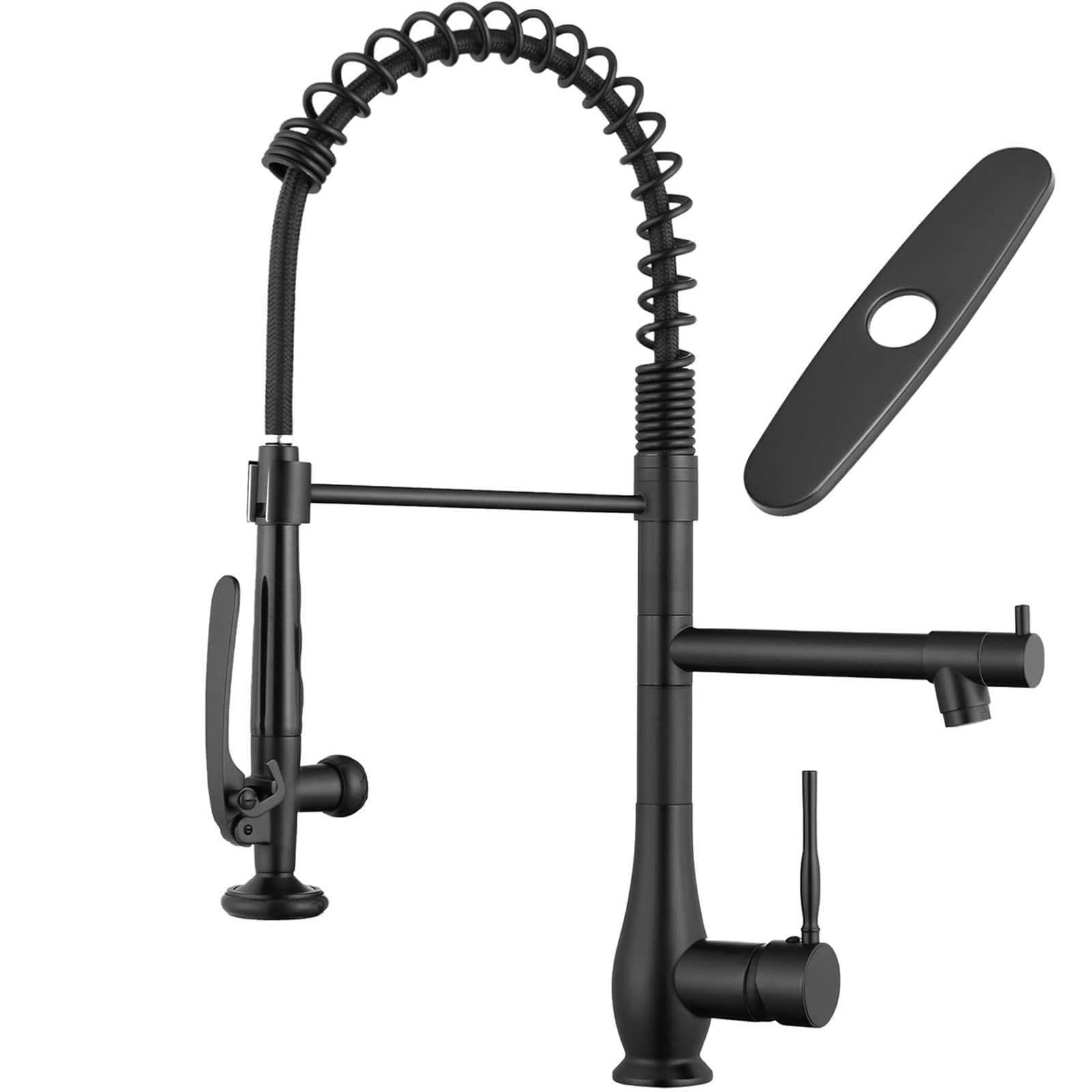

Another key feature commonly found in modern kitchen faucets is the pull-down sprayer. This design allows the spray head to extend from the faucet neck, providing additional flexibility when directing water.
Pull-down sprayers typically serve several practical purposes.
Rinsing Large Dishes
Large pots, baking trays, and cutting boards can be difficult to rinse under a fixed faucet. A pull-down sprayer allows the user to direct water exactly where it is needed.
Cleaning the Sink
The extended hose makes it easier to rinse debris from different corners of the sink basin.
Food Preparation
When washing fruits or vegetables, a movable sprayer can improve coverage and cleaning efficiency.
Many pull-down sprayers also include multiple spray modes, such as:
- Stream mode for filling containers
- Spray mode for rinsing food or dishes
Switching between these modes helps adapt the faucet to different kitchen tasks.
Single Handle Water Control
The single-handle design allows users to control both water temperature and water pressure with one lever.
This configuration simplifies faucet operation:
- Moving the handle up or down adjusts water flow.
- Moving the handle left or right controls the mix of hot and cold water.
Single-handle faucets are widely used in modern kitchens because they allow quick adjustments without requiring two separate controls.
Spring Neck Kitchen Faucet Design
Many contemporary kitchen faucets incorporate a spring-neck design, which gives the faucet a flexible industrial appearance similar to professional kitchen equipment.
Spring-style faucets typically provide several benefits.
Enhanced Flexibility
The spring structure supports the pull-down sprayer while allowing it to move smoothly.
Professional Kitchen Aesthetic
The exposed spring design resembles faucets often found in restaurant kitchens, giving residential kitchens a professional appearance.
Improved Reach
A higher faucet arc allows more space beneath the spout, making it easier to wash larger cookware.
This type of design works particularly well in kitchens with deeper sinks or spacious countertops.
Matte Black Finish and Kitchen Aesthetics
The finish of a kitchen faucet plays an important role in the overall appearance of the space.
Matte black finishes have become increasingly popular in modern kitchen design because they provide several visual advantages:
- Strong contrast against white or marble countertops
- Compatibility with modern minimalist styles
- Reduced visibility of fingerprints compared with glossy surfaces
- Bold, contemporary appearance
Matte finishes can also complement other kitchen elements such as cabinet hardware, lighting fixtures, or appliances.
Because of these characteristics, matte black fixtures are often chosen for kitchens designed around modern, industrial, or minimalist themes.
Installation Considerations
Touchless kitchen faucets are generally designed for standard sink installations. Many models support single-hole installation, which is common in contemporary kitchen sinks.
Installation typically involves several basic components:
- Faucet body
- Water supply lines
- Control box for the sensor system
- Battery or power connection
- Mounting hardware
Before installing a new faucet, it is usually recommended to confirm compatibility with the existing sink configuration.
Some kitchens may require additional mounting plates if the sink has multiple holes from a previous faucet design.
Power Source for Motion Sensors
Because motion sensors require power, touchless faucets generally operate using one of two systems:
Battery Powered
Many faucets use battery packs placed under the sink. These are relatively easy to install and replace.
AC Adapter Powered
Some faucets can connect to electrical outlets under the sink using an adapter. This option eliminates the need to replace batteries but requires access to a power outlet.
Battery-powered systems are common because they allow flexible installation even in kitchens without nearby outlets.
Everyday Kitchen Uses for Smart Faucets
Touchless faucets are useful for a variety of daily kitchen tasks. Their hands-free design supports many activities that occur during meal preparation and cleaning.
Common uses include:
Washing hands during cooking
When handling ingredients like raw meat or dough, a quick motion activates the faucet without touching handles.
Rinsing fruits and vegetables
Hands-free operation helps simplify food preparation.
Filling cooking pots
Large pots can be placed under the faucet and filled easily without repeated handle adjustments.
Cleaning dishes
The pull-down sprayer improves rinsing power when washing plates, pans, or utensils.
Because of these practical applications, smart faucets are increasingly becoming a common fixture in modern kitchens.
Durability and Materials
Kitchen faucets must withstand frequent daily use, temperature changes, and constant water exposure. For this reason, quality construction materials are an important consideration.
Common materials used in kitchen faucets include:
- Stainless steel components
- Brass internal valves
- Corrosion-resistant coatings
- Durable ceramic cartridges
Ceramic cartridges are particularly important in faucets because they help regulate water flow and reduce the likelihood of leaks over time.
Durable construction helps ensure that faucets maintain consistent performance through years of everyday kitchen activity.
Smart Kitchen Trends
The rise of touchless faucets reflects a broader shift toward smart kitchen technology. Many homeowners are incorporating appliances and fixtures that simplify routine tasks and improve overall convenience.
Examples of smart kitchen technologies include:
- Motion-activated faucets
- Voice-controlled appliances
- Smart refrigerators
- Connected cooking devices
- Automated lighting systems
These innovations are designed to make kitchens more efficient, hygienic, and user-friendly.
Touchless faucets are often considered one of the most practical upgrades because they integrate seamlessly into daily kitchen routines.
Maintaining a Touchless Faucet
Regular maintenance helps ensure reliable performance and long-term durability.
Basic care practices often include:
- Wiping the exterior surface regularly to remove water spots
- Cleaning the aerator to maintain consistent water flow
- Checking batteries periodically if the faucet uses battery power
- Avoiding abrasive cleaners that may damage the finish
Simple cleaning routines can help preserve both the functionality and appearance of the faucet.
Final Thoughts
Touchless kitchen faucets represent an important innovation in modern kitchen design. By combining motion sensor technology with practical features like pull-down sprayers and ergonomic controls, these fixtures offer improved convenience for everyday tasks.
The GIMILI Matte Black Touchless Kitchen Faucet reflects many of the characteristics commonly associated with contemporary smart kitchen fixtures, including hands-free operation, flexible sprayer functionality, and a modern matte black aesthetic.
For households looking to improve efficiency and cleanliness in the kitchen, motion-activated faucets provide a practical and forward-thinking solution that aligns with the growing trend of smart home technology.