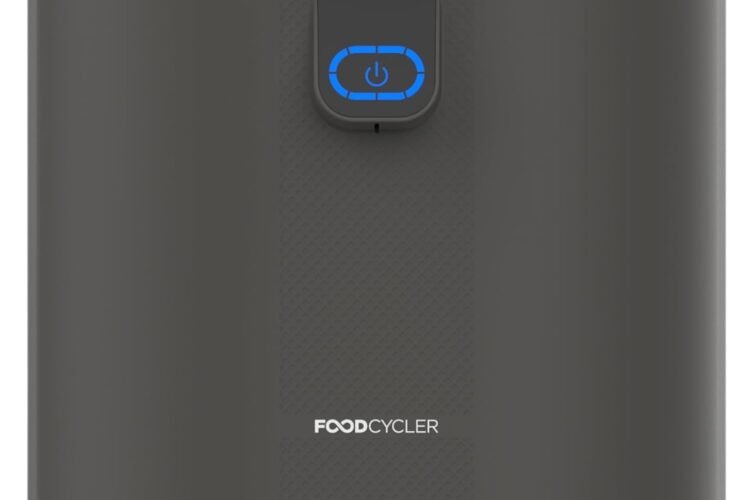
Managing food waste is becoming an increasingly important part of sustainable living. As households become more aware of environmental impact, many people are looking for practical ways to reduce the amount of organic waste sent to landfills. One of the innovations addressing this challenge is the electric food recycler, a compact kitchen appliance designed to process food scraps indoors.
The Food Cycler Eco 5 is an award-winning kitchen appliance developed to simplify food waste management in everyday households. Acting as an alternative to traditional compost bins, this countertop device transforms food scraps into a dry, odor-reduced material through an automated process.
This article provides a detailed guide to how indoor food recyclers work, the technology behind them, and the practical benefits they offer for modern kitchens.
Food Cycler Eco 5 Overview


4
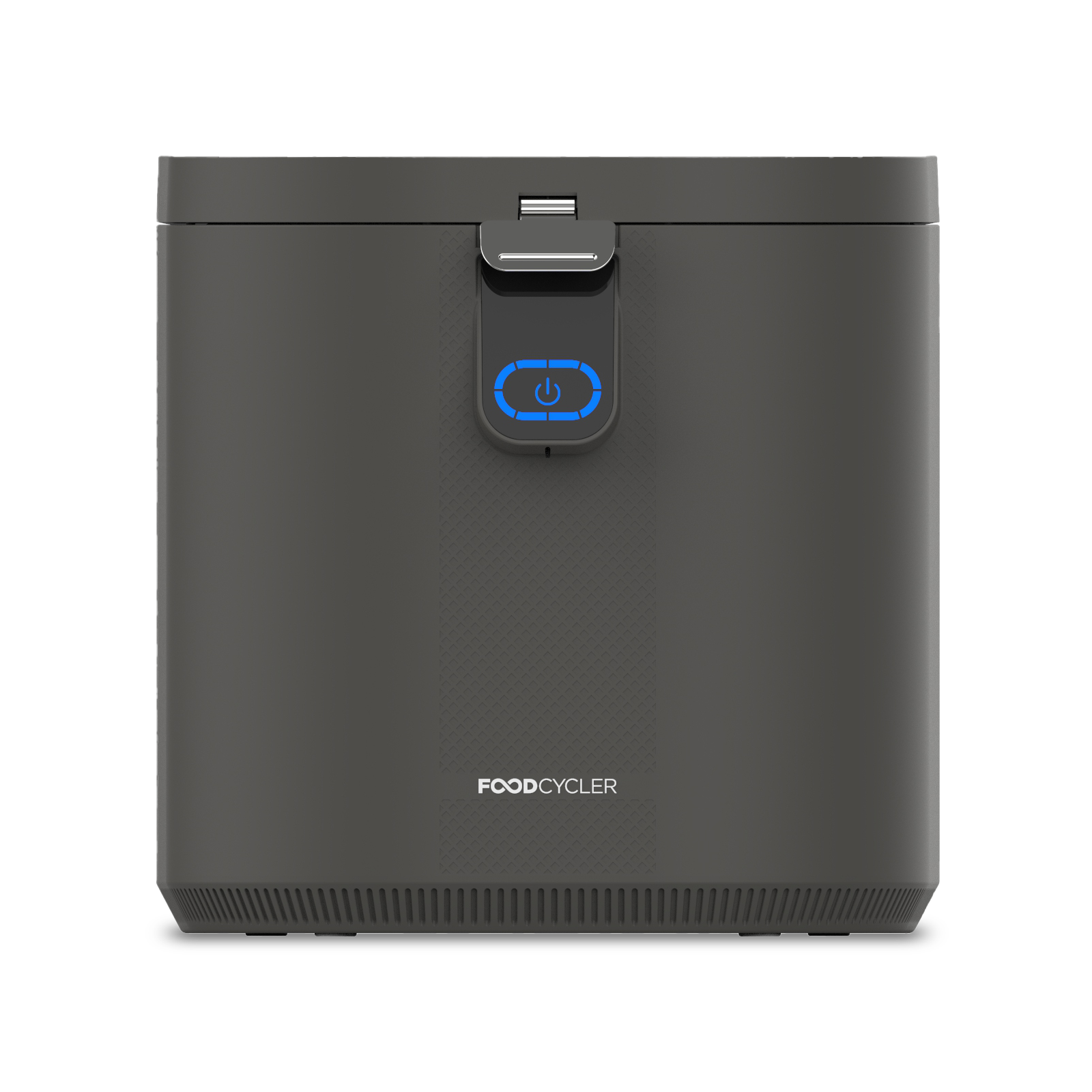
The Food Cycler Eco 5 is designed to help households process food scraps conveniently indoors. Instead of collecting organic waste in traditional compost bins or sending it to garbage disposal systems, the appliance converts scraps into a dry, lightweight by-product.
Many indoor food recyclers work by combining heat, grinding, and drying processes to break down food waste. This transformation significantly reduces the volume of waste and produces a material that can be repurposed in various environmentally friendly ways.
With a 5-liter capacity, appliances in this category are typically designed to handle food scraps generated by small to medium-sized households.
Understanding Indoor Food Recycling Technology
Indoor food recyclers operate differently from outdoor compost piles. Traditional composting relies on microbial decomposition, which can take weeks or months and requires outdoor space, ventilation, and regular maintenance.
Electric food recyclers, on the other hand, use a controlled mechanical process to speed up the transformation of food scraps.
The process usually includes three main stages:
1. Grinding
Food scraps are mechanically broken down into smaller particles. This step increases the surface area of the material, allowing the following drying process to work more efficiently.
2. Heating and Drying
The appliance heats the material while circulating air. Moisture is removed from the food scraps, turning them into a dry, crumb-like substance.
3. Cooling
Once the drying process is complete, the material cools down inside the unit before it is ready to be removed.
This entire process can take several hours depending on the quantity and type of food waste being processed.
Countertop Design and Kitchen Integration


4
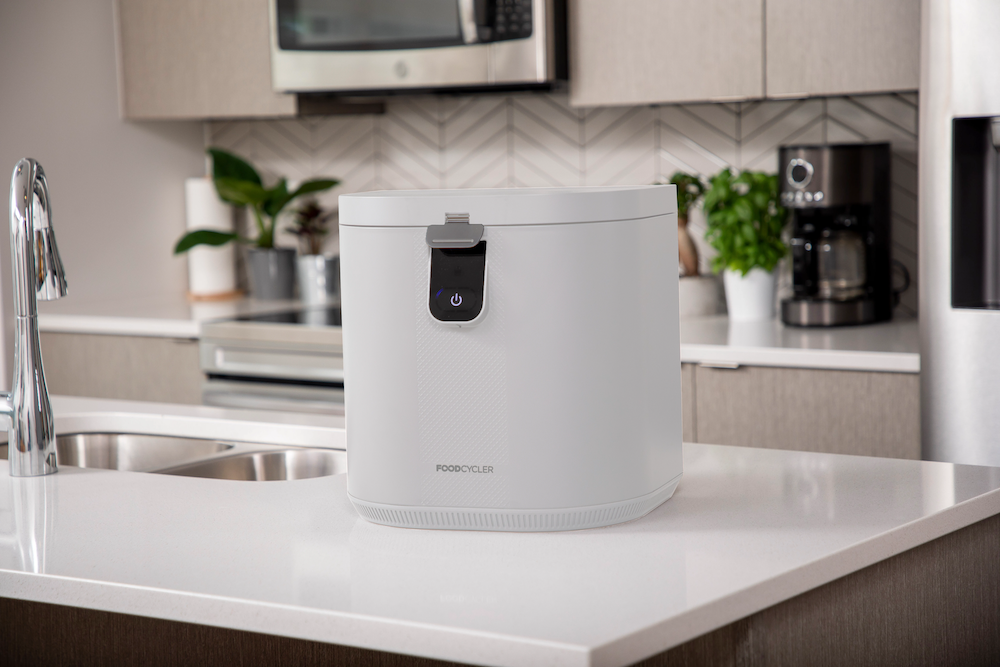
One of the key design goals of appliances like the Food Cycler Eco 5 is convenience. The countertop format allows the device to remain easily accessible during meal preparation and cleanup.
Instead of storing food scraps in a traditional bin that may produce odors, users can place scraps directly into the appliance’s container throughout the day.
Compact countertop appliances typically feature:
- A removable waste bucket
- Simple control buttons or digital interfaces
- Quiet operation suitable for indoor use
- Modern exterior finishes that match contemporary kitchens
The neutral grey design also allows the appliance to blend easily with different kitchen styles, including modern, minimalist, or industrial spaces.
5-Liter Capacity for Household Food Waste
The 5-liter internal bucket is designed to hold a reasonable amount of food scraps generated from everyday cooking and meals.
Typical food waste items that households generate include:
- Fruit and vegetable peels
- Coffee grounds
- Eggshells
- Bread and grains
- Small amounts of cooked food leftovers
A container of this size is usually appropriate for households that cook regularly and want to process food waste every few days instead of daily.
Because the process reduces moisture and breaks down materials, the resulting output often occupies significantly less space than the original scraps.
Odor Management in Indoor Food Waste Systems
One of the challenges associated with storing food scraps indoors is odor. Traditional kitchen compost bins can sometimes produce unpleasant smells if organic waste remains exposed for extended periods.
Electric food recyclers address this issue through several design strategies:
Sealed Processing Chamber
The internal bucket is typically enclosed within the appliance, limiting exposure to air during operation.
Carbon Filtration
Some appliances use carbon filters that help absorb odors generated during the heating and drying process.
Drying Process
Because moisture is removed from the waste, the final output material is less prone to odor compared with raw food scraps.
These features allow the appliance to operate comfortably inside kitchens without the strong smells often associated with composting.
Reducing Household Food Waste Volume
Food waste represents a significant portion of household trash. In many regions, organic waste accounts for a large percentage of municipal garbage.
By processing food scraps through drying and grinding, food recyclers reduce the volume of waste substantially.
This reduction can provide several advantages:
- Less frequent trash disposal
- Lower landfill contribution
- More organized kitchen waste management
Because the processed material is dry and compact, it can be easier to handle compared with traditional food waste.
Environmental Considerations
Food waste management has become a growing environmental topic. When food scraps are sent to landfills, they often decompose in low-oxygen conditions and produce methane, a greenhouse gas.
Household solutions like food recyclers aim to address this issue by encouraging people to separate organic waste from regular trash.
The processed material produced by these devices can potentially be used in various environmentally conscious ways, such as:
- Soil enrichment for gardening
- Compost mixing materials
- Organic waste reduction initiatives
While electric food recyclers do not replace full compost ecosystems, they offer a convenient step toward more responsible waste management in urban environments.
Ease of Operation
Most countertop food recyclers are designed to be simple to operate. The user typically follows a straightforward process:
- Place food scraps in the removable bucket.
- Insert the bucket into the appliance.
- Close the lid securely.
- Start the processing cycle using the control panel.
Once the cycle is complete, the dried output material can be removed from the container.
Because the process is automated, users do not need to manually mix or turn the waste as they would with traditional compost piles.
Cleaning and Maintenance
Maintaining an indoor food recycler usually involves a few basic steps.
Cleaning the Bucket
The removable bucket can often be washed after use to remove residue from processed material.
Replacing Filters
If the appliance uses carbon filters, these may need to be replaced periodically to maintain odor control performance.
Exterior Cleaning
The outside of the appliance can be wiped with a damp cloth to keep the unit looking clean and presentable.
Routine maintenance helps ensure that the appliance continues to function effectively over time.
Indoor Composting Alternatives
Electric food recyclers are one of several methods available for handling organic kitchen waste. Other approaches include:
Traditional Compost Bins
Outdoor compost systems rely on microorganisms and natural decomposition processes. These systems are commonly used in gardens or yards.
Worm Composting (Vermicomposting)
Worm bins use earthworms to break down organic waste into nutrient-rich compost.
Municipal Compost Programs
Some cities provide organic waste collection programs where food scraps are collected separately and processed in industrial composting facilities.
Electric food recyclers offer a convenient solution for households that may not have access to outdoor composting space or municipal organic waste programs.
Ideal Households for Indoor Food Recyclers
Appliances like the Food Cycler Eco 5 may be particularly useful for certain types of households.
These include:
- Apartment dwellers without outdoor compost space
- Urban homes seeking waste reduction solutions
- Families that cook frequently and generate food scraps
- Households interested in sustainable living practices
By providing a compact and automated method for handling food waste, countertop recyclers can help integrate sustainability into everyday kitchen routines.
Kitchen Sustainability Trends
The popularity of food recycling appliances reflects broader trends in eco-friendly kitchen technology.
More households are exploring ways to reduce environmental impact through appliances and daily habits.
Some examples of sustainability-focused kitchen innovations include:
- Energy-efficient appliances
- Reusable food storage systems
- Water-saving fixtures
- Smart waste management devices
Food recyclers are part of this larger movement toward creating kitchens that support environmentally responsible living.
Final Thoughts
Managing food waste efficiently is becoming an important goal for many households. Appliances like the Food Cycler Eco 5 offer a practical solution by transforming food scraps into a dry, reduced-volume material through an automated indoor process.
With features such as a 5-liter capacity waste bucket, odor management systems, and a compact countertop design, indoor food recyclers provide a convenient alternative to traditional compost bins. They help simplify waste management while supporting environmentally conscious kitchen practices.
As more people seek sustainable ways to manage everyday household waste, appliances designed for indoor food recycling are likely to continue gaining popularity in modern kitchens.